

How to use Body Fat calculator
The Body Fat Calculator can be used to estimate your total body fat based on specific measurements. Use the “Metric Units” tab if you are more comfortable with the International System of Units (SI). To get the best results, measure to the nearest 1/4 inch (0.5 cm). This calculation is based on the U.S. Navy method, but also includes the calculation of body fat percentage using the BMI method (both of which are outlined below).
You can also estimate body fat percentage at home for free. Using a body fat calculator is the easiest method because it requires no special tools or lengthy appointments with a specialist.
This method will give you a body fat percent estimate that you can confirm with other methods if you choose. You’ll need a basic tape measure and about five minutes to gather all the data you need to get an instant body fat measurement.
How to Use the Body Fat Calculator
Follow these guidelines for calculating the most accurate body fat percentage.
When to Take Measurements
To get the most accurate result, you’ll want to take measurements first thing in the morning. Your weight can fluctuate throughout the day so it’s smart to get your numbers before you’ve had anything to eat or drink.
What to Use
Once you’ve weighed yourself, you’ll need to take body measurements. Use a soft, flexible (cloth or fiberglass) tape measure to gather the numbers. Do not use a tape measure that is elastic.
How to Take Your Measurements
When you measure the circumference of each body part, the tape should feel firm enough against your skin so that it stays in place but not so tight that it causes an indentation.
You can use English or metric units. Measurements for men and women are slightly different.
Men
- Current weight. Use a digital scale if possible.
- Waist circumference. Take the measurement at the largest part of your belly, usually right at the level of your umbilicus (belly button). Make sure that the tape measure stays level to the floor. Don’t hold your breath or suck in to get the measurement.
Women
- Current weight. Use a digital scale if possible.
- Waist circumference. Take the measurement at the largest part of your belly, usually right at the level of your umbilicus (belly button). Make sure that the tape measure stays level to the floor. Don’t hold your breath or suck in to get the measurement.
- Wrist circumference. Measure around the smallest part of your wrist. You may need a partner to help with this measurement as it is hard to measure one-handed.
- Hip circumference. Measure around the largest part of your hips, usually at the posterior extension of the gluteals (the place where your butt extends back).
- Forearm circumference. Measure around at the widest part of your arm below your elbow. It will be easiest to have a partner get this measurement. Keep your arm relaxed during the measurement and let it hang alongside your body (don’t bend or flex the arm while measuring).
Once you’ve gathered your numbers, input the data to calculate your body fat percentage.
calculator your Body Fat here
Your body fat is ...... The scientific term for body fat is “adipose tissue.” Adipose tissue serves a number of important functions. Its primary purpose is to store lipids from which the body creates energy. In addition, it secretes a number of important hormones, and provides the body with some cushioning as well as insulation. Body fat includes essential body fat and storage body fat. Essential body fat is a base level of fat that is found in most parts of the body. It is necessary fat that maintains life and reproductive functions. The amount of essential fat differs between men and women, and is typically around 2-5% in men, and 10-13% in women. The healthy range of body fat for men is typically defined as 8-19%, while the healthy range for women is 21-33%. While having excess body fat can have many detrimental effects on a person’s health, insufficient body fat can have negative health effects of its own, and maintaining a body fat percentage below, or even at the essential body fat percentage range is a topic that should be discussed with a medical professional. Storage fat is fat that accumulates in adipose tissue, be it subcutaneous fat (deep under the dermis and wrapped around vital organs) or visceral fat (fat located inside the abdominal cavity, between organs), and references to body fat typically refer to this type of fat. While some storage fat is ideal, excess amounts of storage fat can have serious negative health implications. Excess body fat leads to the condition of being overweight and eventually to obesity given that insufficient measures are taken to curb increasing body fat. Note that being overweight does not necessarily indicate an excess of body fat. A person’s body weight is comprised of multiple factors including (but not limited to) body fat, muscle, bone density, and water content. Thus, highly muscular people are often classified as overweight. The rate at which body fat accumulates is different from person to person and is dependent on many factors including genetic factors as well as behavioral factors such as lack of exercise and excessive food intake. Due to varying factors, it can be more difficult for certain people to reduce body fat stored in the abdominal region. However, managing diet and exercise has been shown to reduce stored fat. Note that both women and men store body fat differently and that this can change over time. After the age of 40 (or after menopause in some cases for women), reduced sexual hormones can lead to excess body fat around the stomach in men, or around the buttocks and thighs of women. The World Health Organization (WHO) classifies obesity as one of the leading preventable causes of death worldwide that is estimated to claim 111,909 to 365,000 deaths per year in the U.S. This has been a growing cause for concern because 36.5% of U.S. adults are defined as obese according to the Centers for Disease Control and Prevention. Obesity is associated with a reduction in quality of life, poorer mental health outcomes, obstructive sleep apnea, as well as multiple leading causes of death worldwide such as cardiovascular disease, stroke, certain cancers and diabetes. All of these potential complications have the ability to reduce a person’s life expectancy, and as such, obesity is a medical condition that is studied by many researchers. As previously mentioned, fat produces a number of essential hormones that affect a person’s body. An excess or a lack of critical hormones can have negative effects that preclude proper body function. On a related note, studies have found that excess body fat, particularly abdominal fat, disrupts the normal balance and function of some of these hormones. Furthermore, body fat, specifically visceral fat, has a role in the release of specific cytokines, which are a broad category of proteins involved in cell signaling, that can potentially increase the risk of cardiovascular disease. Visceral fat is also directly associated with higher levels of low-density lipoprotein (LDL) cholesterol, lower high-density lipoprotein (HDL) cholesterol, and insulin resistance. LDL cholesterol is commonly referred to as “bad cholesterol” while HDL is referred to as “good cholesterol.” High levels of LDL cholesterol can clog arteries and lead to complications including heart attacks. Insulin resistance involves cells not properly responding to the hormone insulin, which can lead to high blood sugar levels, and eventually to type 2 diabetes. As can be seen, excess visceral fat can have measurable negative impacts to a person’s health. U.S. Navy Method: There are many specific techniques used for measuring body fat. The calculator above uses a method involving equations developed at the Naval Health Research Center by Hodgdon and Beckett in 1984. The method for measuring the relevant body parts as well as the specific equations used are provided below: Once these measurements are obtained, use the following formulas to calculate an estimate of body fat. Two equations are provided, one using the U.S. customary system (USC), which uses inches, and the other using the International System of Units, specifically the unit of centimeters: Body fat percentage (BFP) formula for males: Body fat percentage (BFP) formula for females: Note that the results of these calculations are only an estimate since they are based on many different assumptions to make them as applicable to as many people as possible. For more accurate measurements of body fat, the use of instruments such as bioelectric impedance analysis or hydrostatic density testing is necessary. Fat mass (FM) formula: FM = BF × Weight Lean Mass (LM) formula: LM = Weight – FM BMI Method: Another method for calculating an estimate of body fat percentage uses BMI. Refer to the BMI Calculator to obtain an estimate of BMI for use with the BMI method, as well as further detail on how BMI is calculated, its implications, and its limitations. Briefly, the estimation of BMI involves the use of formulas that require the measurement of a person’s height and weight. Given BMI, the following formulas can be used to estimate a person’s body fat percentage. Body fat percentage (BFP) formula for adult males: BFP = 1.20 × BMI + 0.23 × Age – 16.2 Body fat percentage (BFP) formula for adult females: BFP = 1.20 × BMI + 0.23 × Age – 5.4 Body fat percentage (BFP) formula for boys: BFP = 1.51 × BMI – 0.70 × Age – 2.2 Body fat percentage (BFP) formula for girls: BFP = 1.51 × BMI – 0.70 × Age + 1.4 Now that you know your body fat percentage, are you inspired to reduce your numbers? The method is a simple equation: burn more calories than you eat. While the equation is simple, that doesn’t mean that the process is easy. Reducing body fat means making changes in all areas of your life, not just in the way you eat and exercise. Reducing body fat should not be a goal for everyone. If you fall into the essential fat or even the athlete category, you may need to consider gaining weight. Speak with your healthcare professional before making a decision. It’s also important to know that these numbers don’t apply to pregnant women — you should not try to lose weight during pregnancy. You’ll also want to talk to your healthcare provider if you are trying to lose weight while on medications or during cancer treatment to make sure that it is safe to do so. If your doctor determines that reducing your body fat percentage is a safe and beneficial health goal, here are some areas for you to consider making changes. How much you eat and what you eat is a huge factor in losing or gaining body fat. You might be tempted to try a popular diet, but fad diets generally don’t work. What does work is making small changes, such as: Cardiovascular exercise is an important part of any fat loss program, but you want to make sure you do the right kind of cardio. Make sure you’re including some high-intensity interval training in your program, up to two to three times per week. In addition to cardio, you should also incorporate moderate and easy workouts as well. People often focus on cardio for losing weight, but adding more muscle will really help you burn more fat. Muscle is more metabolically active than fat so, the more you have, the more calories you burn all day long. Strength training a couple times a week is all you need to add lean muscle tissue and burn more fat. Watching your stress levels and getting enough sleep are the keys to keeping your weight in check since stress hormones can contribute to weight gain. Taking care of yourself will make it easier to maintain the energy needed to complete key workouts and will help you to stay motivated to shop for and prepare nutritious foods. Why does body fat percentage matter? If your goal is weight loss, you might be tempted to use a simple bodyweight scale for feedback on your progress, but your body fat percentage will tell you more than the scale. When you’re trying to slim down, boost your health, or increase your level of fitness, fat loss should be your goal, rather than simple weight loss. You want to keep the lean mass, or fat-free mass, that your body needs. Lean mass includes bone, blood, connective tissue, organs, and muscle. Muscle loss sometimes occurs when you are losing weight, but it’s not the kind of weight loss you are seeking. You want to maintain muscle mass because it helps your body to function and perform more efficiently, boosts your metabolism, and gives your frame a lean, tight appearance. By measuring changes in body fat percentage, you can tell how well your fitness or weight loss program is helping you to lose fat while maintaining fat-free mass.Body Fat calculator
Body Fat, Overweight, and Obesity
Potential Complications of Excess Body Fat
Measuring Body Fat Percentage
USC Units: BFP = 86.010×log10(abdomen-neck) – 70.041×log10(height) + 36.76 SI, Metric Units: BFP =4951.0324 – 0.19077×log10(waist-neck) ) + 0.15456×log10(height)- 450 USC Units: BFP = 163.205×log10(waist+hip-neck) – 97.684×(log10(height)) – 78.387 SI, Metric Units: BFP =4951.29579 – 0.35004×log10(waist+hip-neck) + 0.22100×log10(height)- 450 How to Reduce Body Fat
Your Diet
Your Cardiovascular Fitness Program
Your Strength Training Program
Lifestyle Factors
Why Measure Body Fat Percentage?
The (22) Best Women Workout Pants In 2022

Are You Ready For Summer? Try This (10) Beach Body Workout

15 Workout Shoes In 2022 For All Types of Exercise
8 Best Weight Gain Supplements in 2022 Reviewed

How Does Moringa Help You Loose Weight??

Best workout for person over 50 years(50+)

Easy Winter Walking Workout Plans That Help You Stay Fit When It’s Freezing

Do you know What is Army Body Fat Calculator?

How to stay fit at your 50’s

Do You Know 5 Types Of Belly Fat And How To Get Rig Of Them?
How to use water Intake calculator
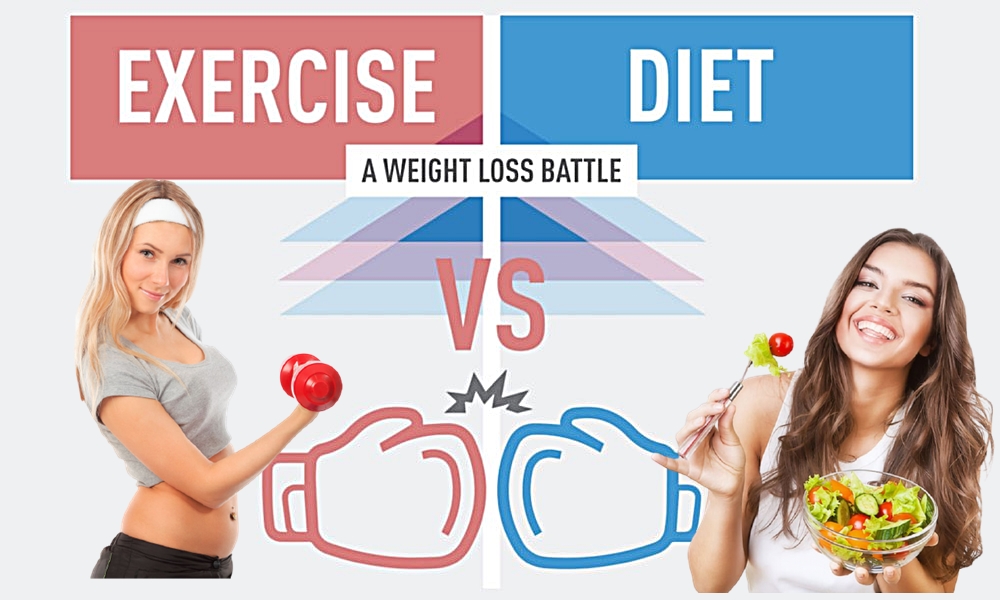
Is Exercise More Important Than Diet for Weight Loss?

How to use protein intake calculator
Type Of 15 Foods That Can Help You To loose Weight
The Mistakes People Make During Weight loss Journey.

An Easy Way To Eat Too Much Without Gaining Weight

How To Lose Belly Fat Within 20 Min By Using Use This Simple Technique

9 Best Butt Exercises Alternative For Squat.

Best workout for person over 40 years(40+)
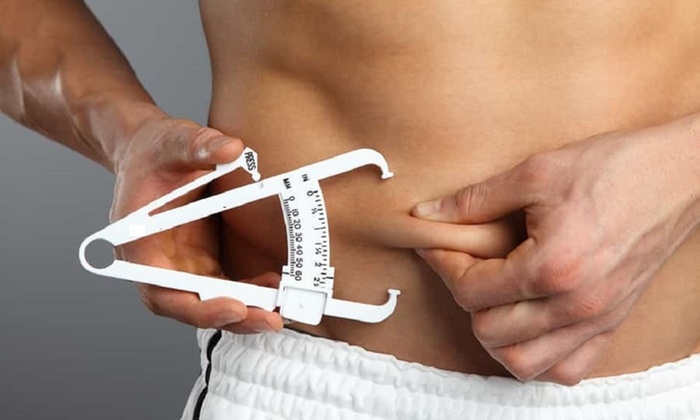
How to use Body Fat calculator